
There are very close links between our mental and nutritional health, and in our increasingly busy lives, this often gets pushed to the background. Similar to how our bodies need food for energy and our physical well-being, our brains need a variety of nutrients to operate efficiently.
What we consume can impact our mood, ability to think clearly, our memory and our mental well being. Learning about what we need to eat for brain health puts us in the driver’s seat.
The Power Of The Brain-Food Connection
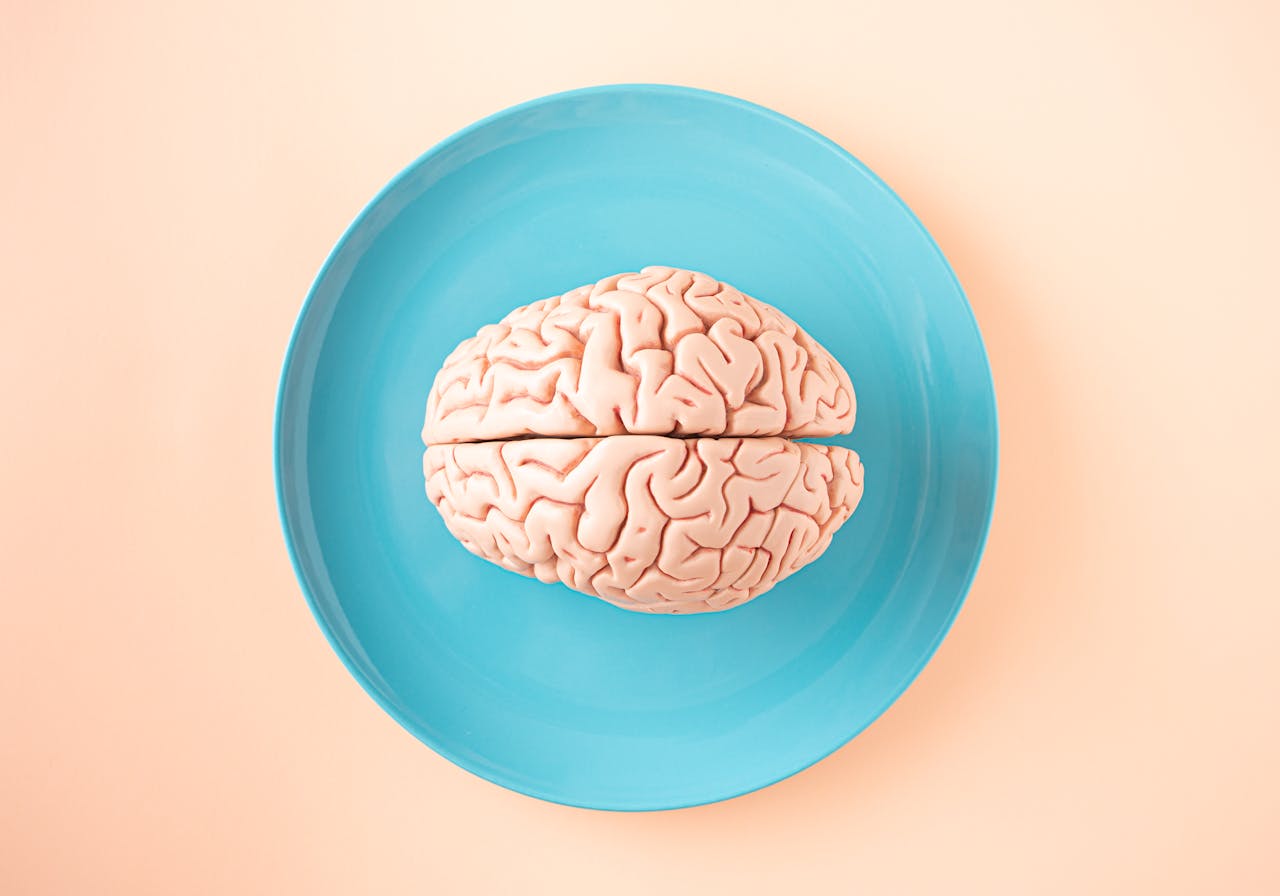
The brain is a high energy organ; it uses 20% of the body’s daily caloric requirement and accounts for only 2% of body weight. Its intricate network of neurons require nutrients in order to synthesise neurotransmitters, support cell membranes and modulate inflammation.
Therefore, a nutrient deficiency or poor nutrient quality can cause cognitive dysfunction, fatigue, and even exacerbate the mental health issues previously discussed, such as depression, anxiety and schizophrenia.
Emerging research now indicates that dietary quality correlates with the state of mental health. Individuals who eat an “optimal diet” consisting of whole foods will experience improved mood and memory, and have a reduced risk of mental disorders. Diets high in processed food, on the other hand, can lead to cognitive deterioration and disturbed mood.
The Role of Gut Health
Recent studies have emphasised the crucial role of the gut-brain axis. This is a communication channel between the intestines and the central nervous system. Microorganisms in the gut can affect neurotransmitter synthesis, inflammation, and stress response.
Eating foods high in probiotics (such as yogurt, kefir and fermented vegetables) or prebiotics (such as onions, garlic, bananas and oats) can also promote a healthy microbiome and boost mental well-being.
Nutrition has an integral connection with mental well-being. When you consume a diverse and nutrient-dense diet, you are equipping the brain with the raw materials required to develop properly, maintain mood, and optimize cognitive function.
While the role of diet cannot solely stand as a substitution for therapy or medication for mental disorders, integrating a brain-boosting diet with proper treatment can contribute significantly to improvements in well-being.
Through a diet that is inclusive of omega-3s, antioxidants, B vitamins, and probiotics, individuals can actively improve their mental well-being and brain health.
Making simple changes such as practicing mind eating, eating well-balanced meals and incorporating whole foods, and avoiding highly processed foods can lead to increased brain health and a better quality of life.
The Main Key Nutrients for Brain Health

Critical nutrients: Omega-3s-a type of fatty acid found in fatty fish such as salmon, mackerel, and sardines, flaxseeds, and walnuts. They help build the membranes of brain cells and affect the balance of neurotransmitters. Studies indicate that omega-3s reduce depression and boost cognitive function.
B vitamins: Specifically, vitamins B6, B12, and folate work to produce neurotransmitters and can help regulate homocystine, an amino acid that has been shown to damage the brain. The richest food sources for B vitamins include eggs, green leafy vegetables, legumes, and whole grains.
Antioxidants: The most prominent antioxidant vitamins include vitamin C and vitamin E, and they can combat oxidative stress that can harm brain cells. Fruits like berries, oranges, kiwi, and the common foods spinach and broccoli are abundant with the necessary antioxidants.
Magnesium and Zinc: Minerals can help provide and maintain proper neurotransmitter communication and can reduce the damage from neuroinflammation.
They are both abundant in legumes, nuts, whole grains, and seeds; however, zinc is also commonly found in chickpeas, beef, and pumpkin seeds.
Protein and amino acids: They build all neurotransmitters like dopamine, norepinephrine, and serotonin.
Amino acids derived from dietary protein maintain adequate levels of neurotransmitters, as is suggested by studies looking into the use of lean meat, fish, eggs, and dairy.
Leave a Reply