Schizophrenia is an extremely serious and complex mental health condition which influences a person’s perception of reality and therefore their thoughts, feelings and behaviours. Individuals experiencing schizophrenia can sometimes struggle to determine what is real and this will have a large effect on their life and those close to them.
Schizophrenia is a mental health condition which is widely misunderstood, this can create stigma and further misinformation for the individual or others close to them.
Schizophrenia is a chronic mental illness. It is generally diagnosed in late adolescence and early adulthood and is described as psychosis, which means losing some touch with reality.
It can include auditory or visual hallucinations, irrational beliefs and delusions and disturbed thought and speech. The illness has many forms, and it is not a ‘split personality’ as people seem to mistakenly think.
Core Symptoms of Schizophrenia
The symptoms of schizophrenia fall into three broad categories.
1. Psychotic or positive symptoms: These refer to “adding on” of functions, e.g. Hallucinations (auditory and visual), and delusions (false beliefs despite the fact they are false).
2. Negative symptoms: This involves the “cutting out of functions”. E.g. Diminished emotional expression, absence of motivation, withdrawal from other people and failure to feel pleasure.
3. Cognitive symptoms: These involve problems with thinking processes such as memory and decision making. Some patients may find it difficult to follow conversations, retain information or make plans.
Not everyone will exhibit all of the above symptoms, and the illness will fluctuate with some people having periods of relative stability interspersed with bouts of illness and some more or less continuous problems.
Core Symptoms of Schizophrenia
The exact cause of schizophrenia is unknown, although studies indicate that it is a combination of genetic, biological, and environmental factors; Genetics: a family history of the illness raises the risk but no single gene is believed to cause schizophrenia alone.
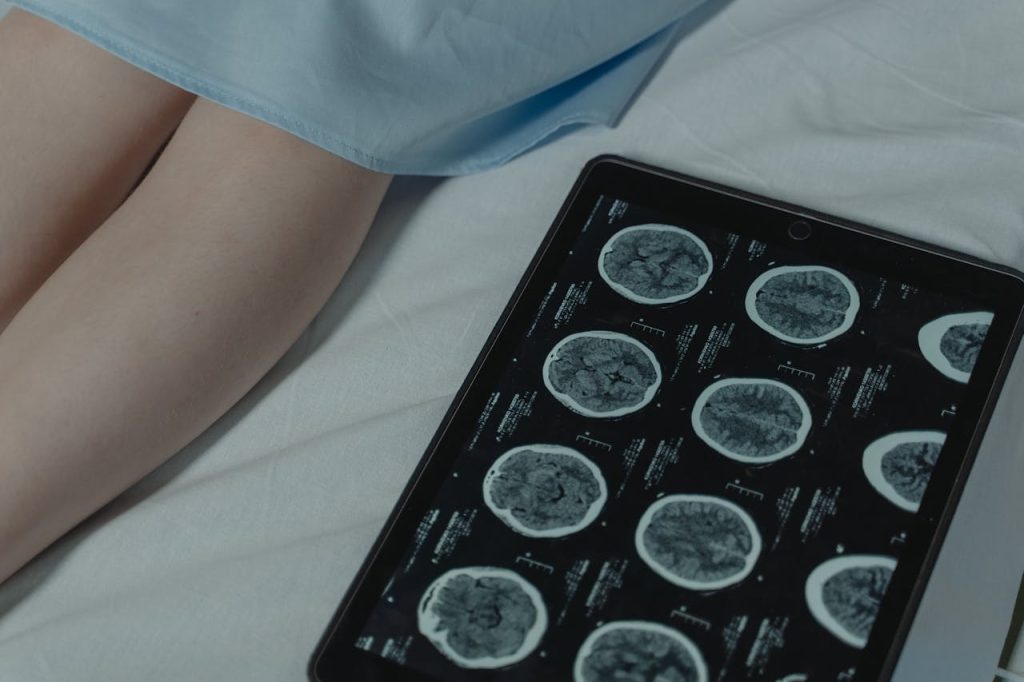
Brain chemistry and structure: there is evidence that there is an imbalance of certain neurotransmitters such as dopamine and glutamate and there is evidence of slight alterations to the brain’s structure.
Environment: there appears to be a link between a stressful life experience, Prenatal exposure to infections and/or toxins and use of recreational drugs in late childhood. It is not possible to prevent schizophrenia, but this helps to clarify why some people are more susceptible than others. The long-term outlook for those with the condition can be improved through early support and intervention.
Diagnosis and Early Intervention
It is most common to receive a diagnosis of schizophrenia from a mental health professional (e.g. A psychiatrist) following a full assessment, rather than through a specific test, as diagnosis relies on judging symptoms, personal and family medical history and the elimination of other illnesses. Prompt treatment, particularly after a first episode of psychosis, is considered important to improve both the prognosis and the quality of life of the individual with schizophrenia.
While there is no cure for schizophrenia, there are very effective ways of managing symptoms and ensuring ongoing wellbeing. Treatment typically has multiple levels, including medication, therapy, and social support systems.
While there is currently no cure for schizophrenia, treatment can effectively manage the illness and help the individual achieve an optimal level of functioning and quality of life long-term.
Effective treatment usually involves a combination of different approaches:
1. Medications
Antipsychotics have traditionally been the cornerstone of schizophrenia treatment.
These medications are effective in reducing the frequency and intensity of psychotic symptoms such as hallucinations and delusions.
Not everyone is responsive to a given medication, and alternative medications like clozapine might be required in some cases where treatment resistance occurs.
A doctor or mental health professional needs to monitor the medication and its side effects, and they can make dosage adjustments as needed.
2. Psychotherapy and Supportive Care
Psychotherapy, particularly cognitive behavioural therapy (CBT), has proved useful in helping individuals with schizophrenia manage their symptoms effectively in conjunction with their medication.
CBT helps individuals understand how their thinking patterns influence their symptoms and enables them to challenge unhelpful beliefs about their thoughts.
Therapy is useful to manage the stress that is associated with the illness and has been proven to increase the rate of recovery among individuals receiving treatment.
Supportive care might also include family education and therapy, social skills training and vocational support.
These interventions can be very helpful for individuals to improve their everyday functioning.
3. Community and psychosocial support
Many individuals can be provided with their treatment needs by community mental health teams that consist of a team of psychiatrists, psychologists, nurses, social workers, occupational therapists and others.
This provides a more rounded and holistic form of care and supports the individual to address any challenges they might face at an everyday level.
4. Long-term monitoring and relapse prevention
Individuals with schizophrenia typically need long-term monitoring by a psychiatrist to reduce the risk of and manage any relapses effectively.
Consistent adherence to treatment, particularly medications and the individual’s response, needs to be monitored regularly, with adjustments to their treatment being made accordingly.
Living with Schizophrenia
Despite having schizophrenia and experiencing the associated challenges it brings, the quality of life for individuals diagnosed can be significantly improved and maintained long-term, as long as they receive treatment and adequate support.
There will inevitably be periods of relapse in some cases, but a commitment to treatment and the existence of a support network can limit the effects of symptoms and the impact they have on overall functionality.
Conclusion
Schizophrenia is a lifelong mental disorder affecting an individual’s perception, thoughts and behaviour.
The condition is believed to be brought on by an interplay between genetics, brain chemistry and the environment and it cannot be cured.
Nevertheless, through the use of medications and combined treatment with psychotherapy and psychosocial support, people suffering from schizophrenia can manage the illness and reach goals important to them in life.
It is important for anyone diagnosed with schizophrenia to seek appropriate help from professionals, particularly early in the progression of the disease, so as to provide for their well-being and promote the quality of their life.





Leave a Reply